


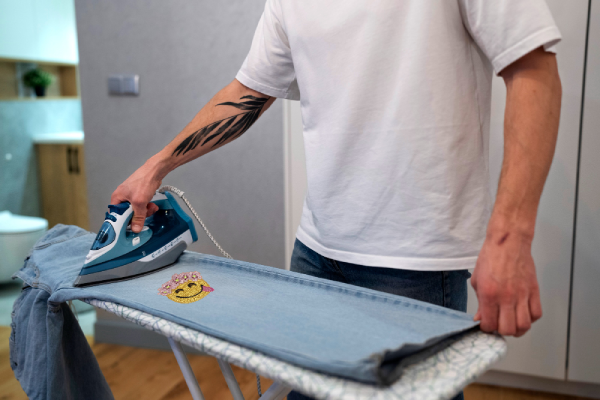
How to Apply Iron-on Patches?
Iron-on patches are a quick and easy way to make clothes your own, fix damaged fabric, and make your brand stand out. In the US, knowing how to use iron-on patches for jeans correctly gives you professional, long-lasting results, whether you’re a clothing brand, a small business owner, or someone who likes to do things yourself.
Create Iron-on patches are a popular choice for making custom clothes in the US because they are easy to use, cheap, and can be used in many different ways. This detailed guide will show you exactly how to apply iron-on patches step by step. It will also give you expert tips, tell you what mistakes to avoid, and help you choose the right patches for your needs.
What are iron-on patches?
Iron-on patches are patches made of fabric that have a backing that sticks when heated. The glue melts and sticks the patch firmly to the fabric when you use a household iron to heat it up.
In the United States, these patches are used for:
- Streetwear and clothing brands
- Uniforms for businesses
- Clothes for school and teams
- Fashion projects you can do yourself
- Fixing clothes that are torn or worn
You can get them in many different styles, such as embroidered patches, chenille patches, PVC patches, woven patches, and sublimation patches.
Why People in the US Like Iron-On Patches
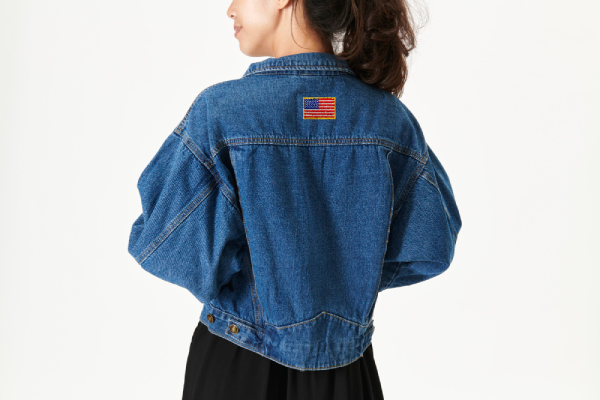
Iron-on patches are very popular in the US because they are simple to use and look professional. You don’t need to know how to sew or have expensive tools to use them.
Here’s why many people use them:
- Easy and quick to use at home
- Cheap for big orders
- Lasts a long time when used correctly
- Perfect for branding and personalization
- Works well with different fabrics, such as denim and cotton.
Iron-on patches backups are a smart and scalable way for businesses of all sizes in the US to brand themselves.
Different Kinds of Patches You Can Find on Our Site
Here are the patch products you can look at on our website if you want to personalize your clothes:
Patches with Custom Embroidery
Classic stitched patches with a high-end, textured look.
Chenille Patches
Soft, fuzzy patches that are ideal for varsity jackets and bold designs.
Patches made of PVC rubber
Patches that are strong and waterproof, perfect for outdoor and tactical use.
Woven Patches
Best for making small text and fine details clear.
Sublimation and printed patches
Great for designs that are complicated, colorful, or have a gradient.
Iron-On Backing Choices
Easy to use on all types of patches.
Many fashion brands and businesses in the US have a strong desire for these products.
Things You Need to Use Iron-On Patches
Before you begin, make sure you have the following tools:
- Iron for the house (no steam)
- A flat surface that can handle heat
- Paper or cloth that is thin
- Clean clothes
- Your patch
Most homes in the US already have these tools, so it’s simple and accessible.
A Step-by-Step Guide to Using Iron-On Patches
Prepare your clothes.
Wash and dry your clothes to get rid of dirt and shrinkage. To get rid of the wrinkles, iron them out.
Place the Patch
Position the patch precisely where you would like it. Check to see that everything is in the right place before you heat it up.
Heat up the iron.
Set your iron to the cotton setting, which is the hottest one. Stop the steam.
Cover the patch with something.
Put a thin piece of cloth or parchment paper over the patch to protect it.
Push
For 20 to 30 seconds, press down hard on the patch with the iron. Do not move the iron.
Flip the clothing inside out.
After you turn the clothes inside out, press them again for 15 to 20 seconds.
Cool Down
Don’t touch the patch until it has completely cooled down.
Check the edges.
Please repeat the process until the edges are tight.
Tips for Getting Results That Last
To make sure it lasts in the US climate and when it is washed:
- Always use a lot of heat
- Don’t use steam.
- Put a lot of pressure on
- Wash clothes inside out
- Stay away from dryers that become too hot.
- Sewing the edges together makes them stronger.
Mistakes to Avoid
Don’t make these common mistakes:
- Using a low temperature
- Putting on wet fabric
- Moving the iron while applying
- Not doing the backside press
- Not giving time to cool down
These mistakes can make your patches last less long.
The Best Fabrics for Iron-On Patches
Iron-on patches work. best on:
- Cotton
- Denim
- Polyester blends
Don’t use them on:
- Nylon
- Leather
- Silk
Hoodies, denim jackets, and t-shirts are the most popular choices in the US.
How USA Businesses Use iron-on patches
Iron-on patches find application in various fields in the US:
Brands of Fashion
To personalize clothing collections.
Business Companies
For branding and uniforms.
Teams in Sports
For logos and branding.
Advertising campaigns
For free stuff and marketing materials.
Why Custom Iron-On Patches Are the Best Choice for Your Brand
Custom patches let you change the design, size, color, and shape in any way you want. In the US, brands use custom iron-on patches to stand out in crowded markets.
Some of the benefits are the following:
- A strong brand identity
- Look like a professional
- Quality that lasts a long time
- Cheap mass production
- Get Patches from Us
We can help you find high-quality custom patches in the USA.
FAQS
How long do iron-on patches last?
If you put them on right and take care of them, they can last for a long time.
Can you wash clothes that have iron-on patches on them?
Yes, but don’t dry it on high heat and wash it inside out.
Do I need any special tools?
No, a normal iron for the house works just fine.
Can you use patches without heat?
No, the glue won’t work without heat.
Is it possible to remove iron-on patches?
Yes, you can do that by carefully peeling them off after reheating them.
Should I sew on iron-on patches?
Not required, but suggested for extra strength.
Conclusion
If you want to start a brand or make clothes in the US, you must know how to use iron-on patches jeans. If you use the right method, you can get professional, long-lasting results without having to learn how to use advanced tools or skills. Iron-on patches are a great option for businesses, designers, and people because they are cheap, easy to use, and look great.