

How Custom Patches Are Made
Businesses, fashion labels, sports teams, and groups all over the US use custom patches as more than simply cosmetic embellishments. They are also potent branding tools. If you want to produce iron-on patches for your clothing line or get your own logo patches for your brand, knowing how patches are made can help you choose the best ones to buy and design.
This step-by-step instruction will show you how to make patches from start to completion. This article contains all the information you need to identify a trustworthy patch manufacturer online.
What Are Custom Patches?
Custom patches are unique designs crafted from fabric or PVC that showcase logos, names, or artwork. You can use iron-on, custom Velcro patches, or sew-on backing to attach them to clothes, bags, hats, and uniforms.
Custom patches are very popular in the US for branding, advertising, and building a brand identity, especially for new businesses and clothing brands.
Different Types of Custom Patches
Before you start, it’s important to know the main kinds of patches used to make custom products:
Patches with embroidery
These have a textured, classic look because threads are sewn onto fabric.
Woven Patches
Woven patches use thinner threads to make designs that are smooth and detailed.
Patches made of PVC
These patches are made of a rubber-like material that keeps water out and is excellent for outdoor use.
Chenille Patches
Soft and fuzzy patches that are often used on varsity jackets and letter patches.
Printed Patches
Best for designs that are difficult to understand and have gradients and small details.
How to Make Custom Patches in Steps
Making the design
Designing your artwork is the first step in making custom patches. Most companies use an online patch maker to upload logos, pick colors,and finalize the design details.
Important parts are
- Shape and size
- Color scheme
- Ensure that text and logos are placed correctly.
- Type of patch (embroidered, PVC, etc.)
A professional design makes sure that your logo patches are of high quality and show off your brand.
Making it digital
Once the design is completed it undergoes a process called ‘digitization. This turns your art into a stitch file that embroidery machines can use.
digitization decides:
- Type of stitch
- Direction of the stitch
- The density of the thread
This step is crucial in making custom products because it has a direct effect on how the finished embroidered patches will look.
Choosing the right material
Picking the right material is important for how long it will last and how it will look. Some common materials are
- Twill fabric (for stitching)
- Threads made of polyester
- Rubber made of PVC
- Backed with felt
For instance, if you want to make iron-on patches, you add heat-activated adhesive backing at this point.
Making patches
Making embroidered patches:
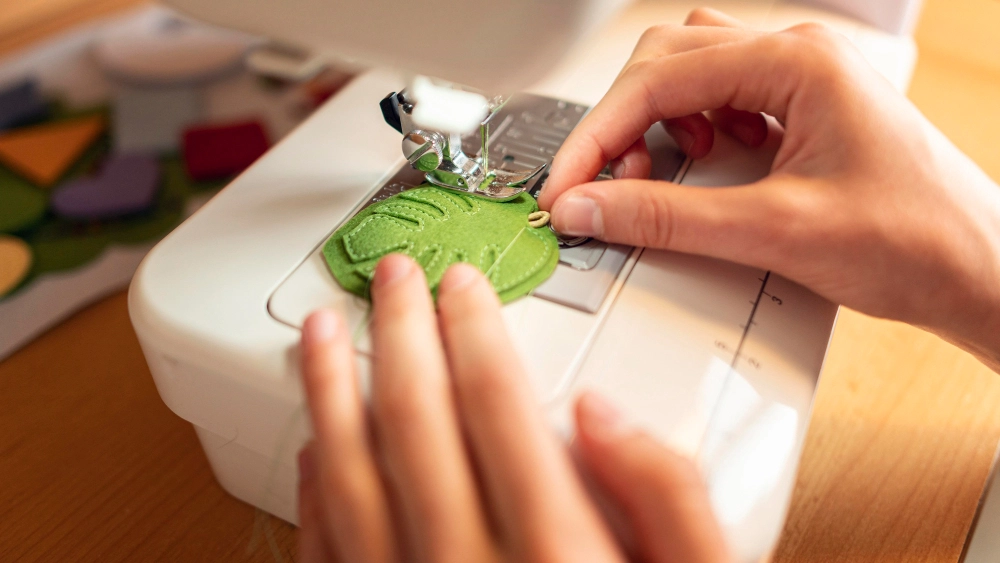
- Embroidery machines use hoops to hold fabric.
- The digital file tells the machine how to sew the threads.
- More than one patch is made at the same time.
Making PVC Patches:
- Molds are filled with liquid PVC.
- The layers are heated and set.
- Adding colors one layer at a time
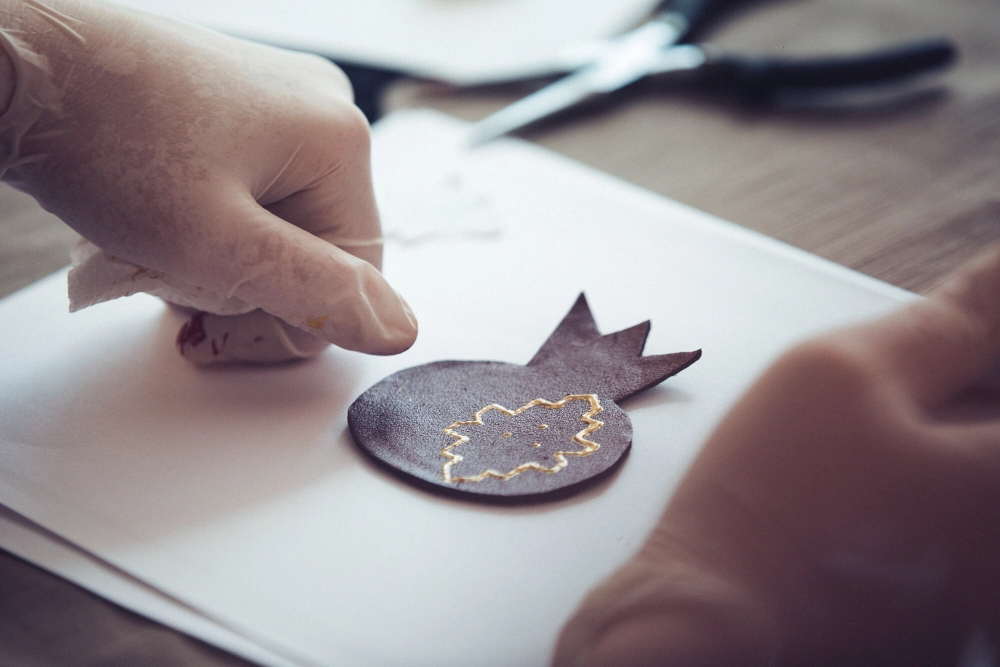
This step is the most important part of custom product manufacturing because it is when your design transforms from an idea into a tangible product.
Cutting and Shaping
After making patches, people trim them into the shapes they require. Here are some ways:
- Cutting with lasers for precision
- You can make various things with die-cutting.
- Merrow edging (stitched edges)
When the edges are tidy, custom patches seem more professional.
Putting on the back
Depending on how they are utilized, several background options are added:
- Iron-On Backing: This option is a terrific way to make iron-on patches that are simple to use with a heat press.
- Sew-On Backing: Lasting and strong
- Velcro backing: excellent for tactical gear and uniforms.
- Adhesive Backing: For temporary use
Choosing the right backing makes sure that it works and is easy to use.
Making sure the quality is good
There are extensive quality checks on every patch to make sure that:
- Real colors
- Stitching that is clean
- The proper form and size
- Very sticky to the backing
To preserve their clients’ trust, the best online patch producers in the US put a lot of attention on quality.
Shipping and Packing
Finally, the patches are safely packed up and sent out. Many US suppliers offer bulk shipping, which helps businesses get big orders quickly.
Why should you choose custom patches?
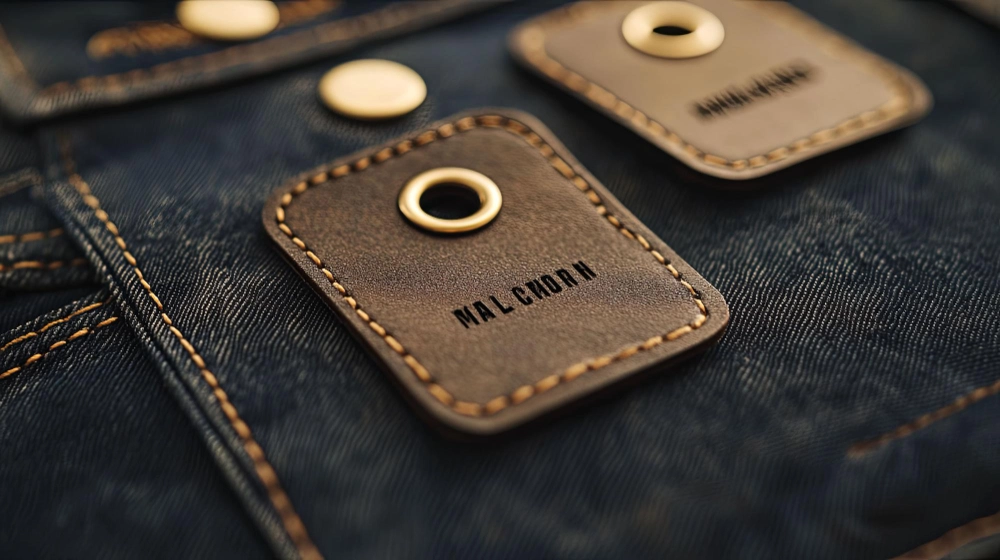
There are many benefits to using custom patches, such as:
The Strength of Branding
They make patches with their logos on them to help businesses get the word out.
Power that stays
Patches last longer and don’t wear out as quickly as printed designs.
Flexibility
You can use them on bags, hats, jackets, uniforms, and more.
Not too costly
Companies like bulk orders because they make each item cheaper.
Problems with Making Custom Patches
While patches are very useful, they do have some drawbacks:
- It may be necessary to simplify complicated designs.
- It can take a few days to make things.
- Costs a little more than printing
But these problems are not as bad as the high quality and long life of the product.
How to Pick the Best Patch Maker Online
If you want to find a reliable patch maker online in the US, here are some things to keep in mind:
- Experience making things to order
- The quality of the materials
- Choices for personalization
- Deals and prices for buying in large quantities
- What customers have to say
A trustworthy supplier makes sure that your patches are of professional quality.
How to Make the Best Custom Patch
Keep your designs simple and strong.
- Pick the right kind of patch
- Use colors that are very different from each other
- Choose the right backing
- Before making many things, order samples.
These tips will help you make the best logo patches possible.
FAQS
How long does it take to make patches that are unique?
Depending on the design and number of items, production usually takes 5 to 15 business days.
Can I make designs for iron-on patches for my brand?
Yes, iron-on backing is a common choice for clothing because it is simple to use.
What kind of patch is best for use outside?
For outdoor and weather-resistant uses, PVC patches are the best choice.
Can you wash custom patches?
Yes, high-quality patches are made to last through regular washing.
What kind of file do you need to make a patch on?
AI, EPS, and high-resolution PNG vector files work best.
Conclusion
When you know how custom patches are made, you have a big advantage when it comes to designing and ordering patches for your brand. To make sure a custom product is of excellent quality and will last, every step of the process, from coming up with the design to shipping it, is important.
Buying custom patches is a wonderful way to improve your branding and make your business stand out in the US market if you’re a startup, a fashion brand, or a business.
Place your custom patch order now!
Order your custom patches today and bring your brand to life with premium-quality designs made just for you.