

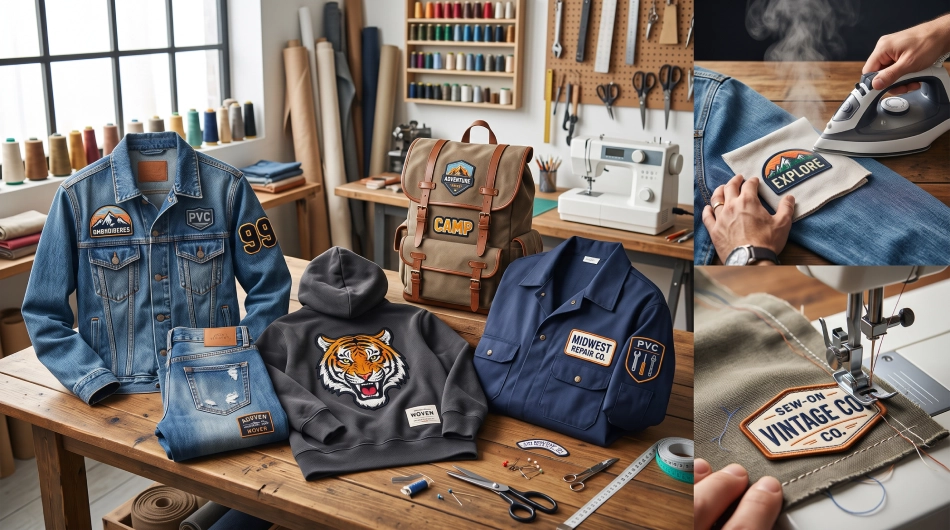
Patches for Clothes are one of the most practical and fashionable ways to repair, personalize and upgrade everyday clothes. Whether you want to revamp ripped jeans, customize a jacket or design branded apparel and order wholesale clothing patches for your business, you can instantly improve the look and longevity of anything with the right patch.
There are embroidered patches, woven patches, chenille patches, leather patches, PVC patches, iron-on patches, sew-on patches, adhesive patches. Each kind has a specific use. In this complete guide from Patches Studio, you will learn all about patches for clothing including the different types of patches and materials, backing options, application methods, repair options, and custom patch designs. You will also find pricing information and expert tips to help you select durable patches that will last for years.
What Are Patches for Clothes?
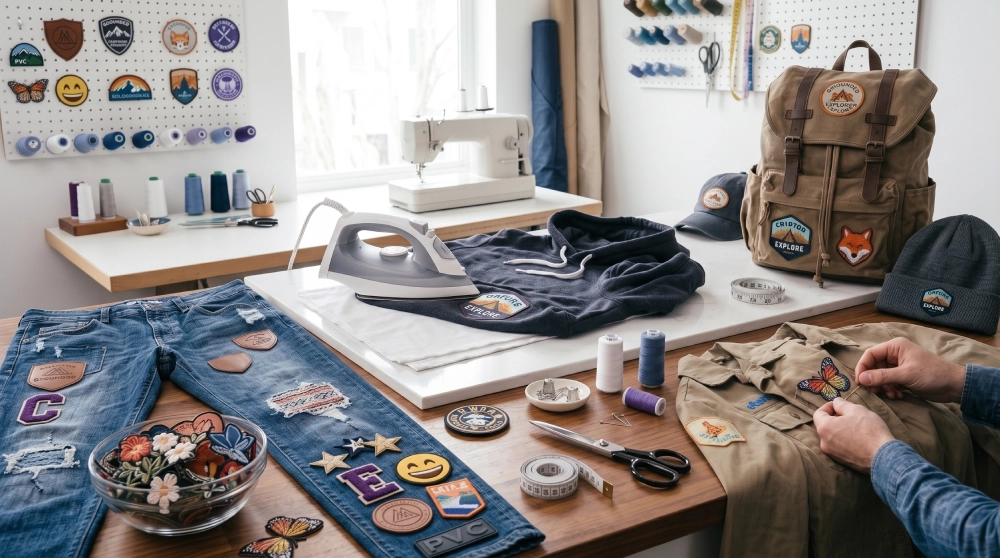
A patch for clothes is a small piece of fabric, embroidery or other material sewn onto a garment to repair damage or to add decoration. You can sew on patches, iron on patches or stick on patches. They can be as simple as fabric patches used to mend clothes, to more elaborate embroidered designs or fun novelty shapes like a flamingo or an emoji.They are on everything from jackets and jeans to bags and uniforms and even clothes for cabbage patch dolls.
Types of Patches for Clothes
Patches are not all made the same way and the right kind of patch for you will depend on your fabric, your budget and how long you want it to last.
Embroidery patches
Embroidery patches for clothes have raised stitched threads which makes it look premium and textured. Ideal for logos, uniforms, jackets, hats and branding where durability and a professional finish is important.
Iron on patches
Iron on patches for clothing feature a heat-activated adhesive backing for quick and secure application. Great for repairing garments, decorating casual apparel and designing custom creations without sewing.
Sew On Patches
Sewn on Patches for clothing are directly to the fabric ensuring maximum durability. They are recommended for uniforms, workwear and denim, and for garments that are washed frequently or are used heavily on a daily basis.
Chenille patches
Chenille patches for clothing have a plush, fuzzy feel that creates a bold, dimensional look. They are popular for varsity jackets, letterman apparel, sports teams and hip streetwear collections.
Leather patches
Leather patches for clothing add a tough, high-end look to denim, jackets, hats and bags. These are a popular choice for clothing brands seeking an elegant, classic finish.
Adhesive patches
Adhesive patches for clothing (also called peel-and-stick or self-adhesive patches) do not require heat or sewing. They are great for quick clothing fixes, quick decorations and light clothing when you need a quick fix.
Benefits of Patches for Clothes
Patches are now a fashion statement as much as practical.
- Decorative patches for clothing let you personalize plain garments with flowers,
- Stars, rainbows, or a unicorn patches for clothes design for kids’ wear
- Repair patches extend the life of clothing instead of tossing it
- Patches allow small businesses and creators to add character without a full redesign think designer or streetwear-style designs
- Patches are also usually cheaper than buying an entire new article of clothing.
Best Fabrics & Clothing Items for Patches
Some fabrics hold patches better than others. Denim is the classic choice cloth patches for jeans are common because denim is thick enough to support stitching and heat without damage. Cotton and canvas (jackets, bags, caps) also work well. Thinner or synthetic fabrics like nylon need more care, since heat from iron on patches for clothing can warp or melt certain materials if the temperature isn’t right.
How to Choose the Right Patch
A few things matter more than design alone:
- Backing type: iron-on, sew-on, adhesive, or Velcro
- Size and placement: a patch stitched near a seam behaves differently than one on flat fabric
- Durability needs: a patch that goes through the wash regularly (uniforms, workwear) usually needs sew-on rather than adhesive
- Purpose: decorative versus functional, like fixing clothes patches for holes
Patch Backing Options Explained
| Backing Type | How It’s Applied | Best For | Durability |
| Iron-On | Heat-activated adhesive, applied with an iron or heat press | Quick repairs, casual wear | Moderate |
| Sew-On | Stitched by hand or sewing machine | Heavy-use garments, uniforms | High |
| Adhesive / Peel-and-Stick | Self-adhesive backing with no heat or sewing | Temporary designs, quick decoration | Low |
| Velcro / Hook-and-Loop | Attached using matching Velcro strips | Removable and interchangeable patches | Moderate |
| Heat Transfer | Applied with a heat press and specialised transfer film | Custom apparel, branding, bulk orders | High |
Common Mistakes to Avoid
Choosing the wrong patch material
A wrong choice of backing can reduce durability and cause patches to peel. Pick backing appropriate to the material and use.
Patching Without Preparing the Material
Patches should be sewn on a clean, smooth garment. Dirt and wrinkles can weaken adhesion and decrease patch life.
Incorrect heat/iron setting
Too much heat will ruin fabric, and not enough heat may not bond the patch properly. Always observe the recommended temperature.
Skip iron-on patch edge stitching
If you want an iron on patch to last longer, stitch around the edges. Extra stitching helps to make it more durable through repeated washing.
Patches on wrong fabrics
Patches may not cling well to thin or heat sensitive fabrics. Canvas, denim and cotton will give the best results.
Not following washing and care instructions
Wash gently patched garments do not dry high heat a little care will keep your clothing patches in place and looking their best.
Buying Low Quality Patches
Patches of poor quality can quickly fade, fray or peel. Make sure to select quality custom patches for more longevity and a better look.
Iron-On vs Sew-On Patches: Which Is Better?
| Feature | Iron-On Patches | Sew-On Patches |
| Application | Iron or heat press | Needle or sewing machine |
| Time | 20–30 seconds | Longer to apply |
| Durability | Good | Excellent |
| Best For | Casual wear & quick repairs | Uniforms, workwear & denim |
| Strength | Moderate | Maximum |
How to Repair Clothes Using Patches
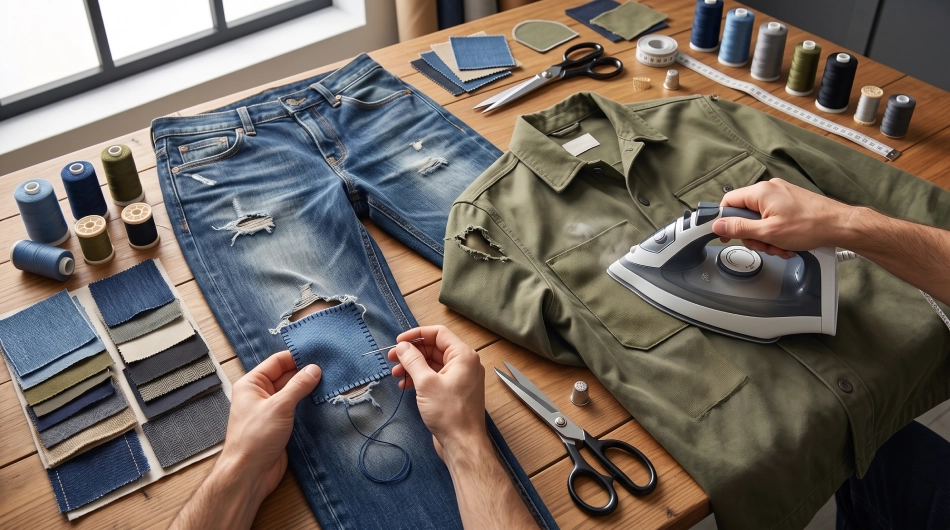
Patches are one of the most effective ways to fix damaged clothing without replacing it entirely. For clothing patches for holes, an iron-on approach works well for casual wear, while sew-on repair patches for clothes tend to hold up better for jeans, workwear, or anything that sees heavy wear. The patch should be of the same color and texture as the garment so that the repair looks like it was supposed to be there, not a jury-rigged job.
Custom Patches for Clothes
Custom patches are a popular choice for branding, team uniforms and promotional apparel. Businesses ordering wholesale patches for clothes typically work with a manufacturer to create patches featuring a logo, name, or symbol at scale. If you’re wondering how to make custom patches for clothing, the process usually starts with a digital design, followed by choosing embroidery, woven, or PVC production, and finally selecting a backing type suited to the end use.
Design Tips for Custom Clothing Patches
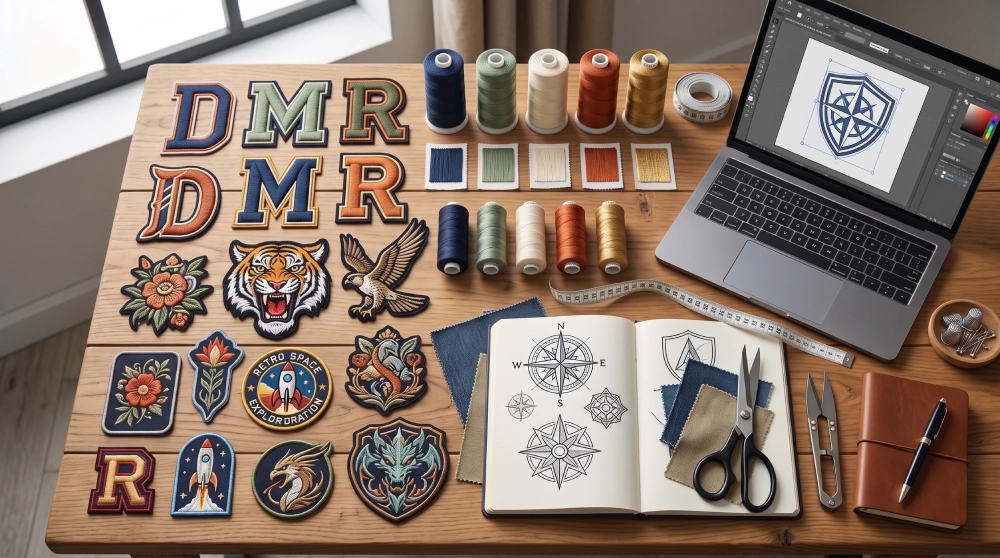
- Keep text legible and bold for letter patches for clothes, simple, high-contrast fonts work best
- Keep costs down and detail sharp by limiting your embroidery color palette to 3-5 colors
- Look for neater finished appearance with borders ( merrowed or heat-cut edges )
- Common themes include animals, florals and hello kitty patch for clothes-style novelty designs for officially branded characters or logos, always source through authorized or licensed sellers
Popular Patch Themes and Designs
Patches come in an enormous range of styles, and most shoppers are looking for a specific theme rather than just a patch. Some of the most popular categories include:
- Nature and florals: flower patches for clothing, floral designs, embroidered botanicals,mushroom patch for clothes.
- Sports and teams: football-style patches, varsity lettering, and team logo designs
- Animals: cats, dinosaurs, butterflies, and bird designs
- Symbols and shapes: rhinestone patches for clothes, hearts, crosses, and simple solid-color shapes
- Text and lettering: bold initials, names, and monogram-style patches
- Fun and novelty: cartoon-inspired, goth, and kawaii-style sticker patches
- Kids’ clothing is its own category too: patches for kids often lean toward simple, bold shapes that iron on easily and hold up to regular washing.
Experience That Creates High-Quality Clothing Patches
Good patches come down to production quality as much as design. Based on Patches Studio’s experience working with embroidery and heat-transfer production, the biggest difference between a patch that lasts years and one that peels after a few washes usually comes down to three things: thread density, the quality of the adhesive backing, and whether the manufacturer tests heat-press settings against the actual fabric type rather than a generic default. Businesses ordering custom patches for clothing in bulk also benefit from requesting a physical sample before a full production run; it’s the easiest way to catch backing or colour issues early.
How Much Do Patches for Clothes Cost?
| Patch Type | Typical Price (Single Patch) | Typical Price (Bulk/Wholesale) |
| Basic Iron-On Patch | $1 – $5 | $0.50 – $2 |
| Embroidered Patch | $3 – $10 | $1 – $4 |
| Chenille Patch | $5 – $15 | $2 – $6 |
| Leather Patch | $4 – $12 | $2 – $5 |
| Custom Woven/PVC Patch | $2 – $8 | $0.75 – $3 |
Prices vary based on size, stitch count, and order quantity wholesale patches for clothes almost always bring the per-unit cost down significantly compared to single orders.
Why Choose Professional Custom Patches?
Working with an experienced manufacturer (rather than a cheap, unverified supplier) generally means better thread quality, more accurate colors, consistent sizing across a bulk order, and backing that’s actually suited to the fabric it’ll be applied to. For brands and teams ordering custom patches for clothing in volume, that consistency matters more than it seems a patch that peels off a uniform after one wash reflects on the whole brand, not just the patch.
Where to Buy Patches for Clothes
For single or small-batch purchases, general retailers, craft stores such as Hobby Lobby patches for clothes and Michaels patches for clothes sections, and specialty sewing shops carry a wide range of pre-made designs everything from a simple patch kit to novelty designs.
For anyone doing their own sewing projects, these stores also stock the pressing cloths, thread, and adhesive sheets needed for application. For custom or bulk orders, working directly with a patch manufacturer is usually the better route, since it allows for custom sizing, color-matching, and wholesale pricing that general retailers don’t offer.
Final Thoughts
Whether you’re patching up clothing, decorating a bag or buying wholesale patches for clothing for your business, the right kind of patch and method of application makes all the difference in durability and look. Take the time to match your patch backing to your fabric, and you’ll get a result that holds up wash after wash not just for a season.
Frequently Asked Questions
What Are Patches for Clothes?
Patches for clothes are pieces of fabric, embroidery, leather or PVC used to repair, decorate or personalise clothing. They are available as iron-on, sew-on, adhesive and Velcro patches.
What Types of Patches for Clothes Are Available?
Patches for garments include embroidered, woven, chenille, leather, PVC, iron-on, sew-on and adhesive patches. Each type has its own durability, texture and style.
Which Patch Backing Is Best for Clothes?
Iron-on patches for clothes are quickest and easiest, while sew-on backing is most durable. Adhesive patches work fine for temporary or light clothing.
Can You Repair Damage With Clothing Patches?
Yes. Fabric patches work great for repairing holes, rips and wear and tear. Repair patches enhance the looks, durability and life span of your favorite clothes.
What are the best fabrics for clothing patches?
Fabric patches are great for denim, cotton, canvas and twill. These media are good for sew-on and iron-on patches.
How long do patches on clothes last for?
Properly maintained, quality clothing patches can last for years. Expert iron on patches lasts as well, but sew on patches lasts the longest.
What is the cost of custom patches?
ustom clothing patches Pricing: $1-$15 depending on size, material, backing and quantity. wholesale clothing patches are less expensive.
Where to Buy Quality Clothing Patches?
Clothing patches are available from craft stores, online vendors and manufacturers. Purchase clothing patches in bulk from a reputable source.