


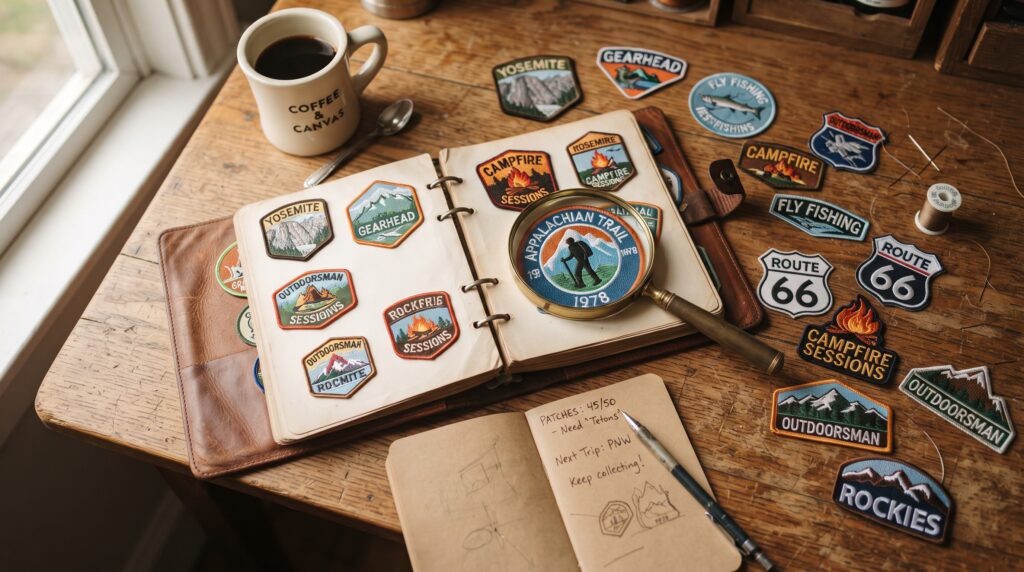
Quick Answer: To start a custom patch collection, pick a theme that genuinely interests you (travel, music, sports, military history, or pop culture), learn the difference between patch types like embroidered, PVC, woven, and chenille, then source your first 3–5 patches from a trusted maker like Patches Studio, where you can see stitch quality and backing options up close before you buy. Store them properly from day one – a binder, cork board, or shadow box protects them from dust and sunlight – and grow the collection gradually instead of buying in bulk.
Nobody starts a patch collection on purpose. It just… happens. One patch turns into three, three turns into a shoebox, and suddenly you’re the person everyone tags in patch posts online.
Here’s the thing most beginners get wrong: they let the collection happen to them instead of building it on purpose. The difference between a drawer full of random fabric and a collection people actually stop to admire comes down to a few decisions – what you collect, what quality actually looks like, and where you source it from.
This guide covers all of it: the patch types worth knowing, how to pick a theme that won’t bore you in six months, how to spot a patch that’s actually built to last, and how to store and display everything so your collection only gets better with time. Let’s build something worth showing off.
What Is a Custom Patch Collection?
A patch collection is simply a curated set of patches gathered around some kind of thread – literally and figuratively. That thread might be a theme (national parks, anime, motorcycle clubs), an era (vintage military patches vs. modern streetwear drops), or a personal story (patches from every place you’ve traveled).
What separates a collection from a random assortment is intent. A collector isn’t just accumulating patches; they’re choosing pieces that fit a focus, tracking what they have, and thinking about how to preserve and present them. That’s the difference between a shoebox of patches and a display that actually means something when someone looks at it.
Why People Love Collecting Custom Patches
There’s no single reason patch collecting has grown into such an active hobby – it tends to be a mix of a few things:
- Personal memory: A patch from a trip, a race, or a life event becomes a physical bookmark for that moment.
- Fashion and self-expression: Patches let people customize jackets, bags, and hats without a full redesign.
- Travel souvenirs: Many travelers now collect patches instead of magnets or postcards, since they’re compact and can go straight onto a backpack.
- Military and organizational history: Unit patches, scout badges, and department emblems carry real historical weight for collectors interested in that world.
- Club and community identity: Patches signal membership, from motorcycle clubs to hobbyist groups.
- Brand and merch culture: Companies and creators increasingly use limited-run patches the way they once used pins or stickers.
- Limited editions: Like sneakers or trading cards, scarcity itself has become part of the appeal for some collectors.
Knowing which of these actually motivates you is worth thinking about before you buy anything – it’s what your theme, in the next section, will end up being built around.
Decide on a Collection Theme
Before you start buying, it helps to narrow your focus. An unfocused collection tends to stall out – you end up with a drawer of random patches that don’t feel like anything in particular, and it gets harder to know what’s “worth” buying next.
Popular starting themes include:
- National parks or travel destinations
- Music festivals or bands
- Anime and gaming
- Sports teams
- Scouts or outdoor achievement badges
- Military branches or units
- Fashion and streetwear brands
- Cars, motorcycles, and gearhead culture
- Company or brand logos
- Limited-edition or artist-collab drops
You don’t need to lock this in forever – most collectors refine their focus over the first year. But picking a starting lane, even a loose one, gives you a filter for every purchase decision that follows.
Choose the Type of Patches You Want to Collect
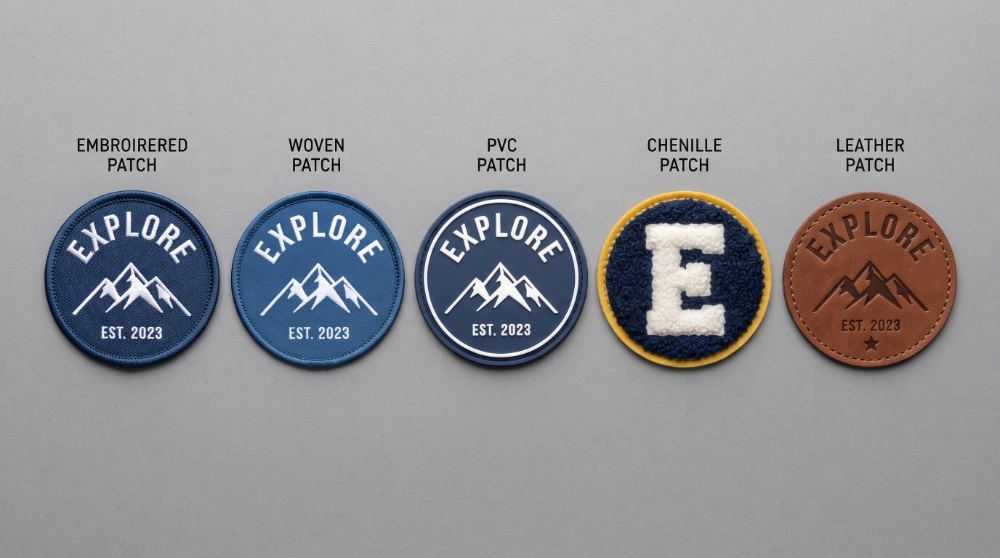
Once you have a theme, it helps to understand the materials, since patch type affects everything from look and feel to how the patch holds up over time.
Embroidered Patches
The classic patch style – thread stitched onto a fabric base (usually twill or felt) to create a raised, textured design. Embroidered patches handle bold logos and mid-level detail well and are the most common type you’ll encounter, especially on uniforms, jackets, and vintage pieces. If you want to see what a well-made one looks like up close, Patches Studio’s custom embroidered patches are a good benchmark for stitch density and finish.
Woven Patches
Made with much finer thread on a tighter weave, giving a flatter, smoother finish. Woven patches are the go-to choice when a design has small text or fine detail that embroidery would blur or lose – Patches Studio’s woven patches are worth a look if you’re collecting anything with intricate logos or lettering.
PVC Patches
A soft, rubber-like molded material that’s fully waterproof and holds vibrant color well. PVC patches are popular for outdoor gear, tactical equipment, and anything that needs to survive weather and heavy use – see Patches Studio’s PVC patches for examples of the raised, glossy finish this material is known for.
Chenille Patches
Made from looped yarn, giving that fuzzy, raised texture you’d recognize from a varsity letterman jacket. Chenille works best for bold letters and simple shapes rather than intricate artwork, and it’s less durable in the wash than embroidered or woven options.
Leather Patches
A premium, debossed or engraved look often used on jackets, bags, and caps. Leather handles simple logos and text well but isn’t suited to fine detail.
Velcro / Morale Patches
Worth a clarification here: Velcro (hook-and-loop) is a backing type, not a patch type. It can be applied to embroidered, PVC, woven, or leather patches to make them swappable – which is exactly why “morale patches” (popular in military and tactical collecting circles) are almost always Velcro-backed, regardless of the material used to make the patch itself. Patches Studio’s Velcro patches are built specifically for that swap-in, swap-out use case.
Quick Comparison Table
| Patch Type | Durability | Relative Cost | Best For | Look & Texture |
|---|---|---|---|---|
| Embroidered | High | $$ | Logos, uniforms, classic designs | Raised, textured thread |
| Woven | High | $$ | Fine detail, small text | Flat, smooth, sharp |
| PVC | Very High | $$$ | Outdoor, tactical, waterproof needs | Glossy, molded rubber |
| Chenille | Moderate | $$$ | Varsity letters, bold simple shapes | Fuzzy, plush, raised |
| Leather | High | $$$ | Premium branding, jackets, caps | Debossed, matte or polished |
Where to Buy Custom Patches
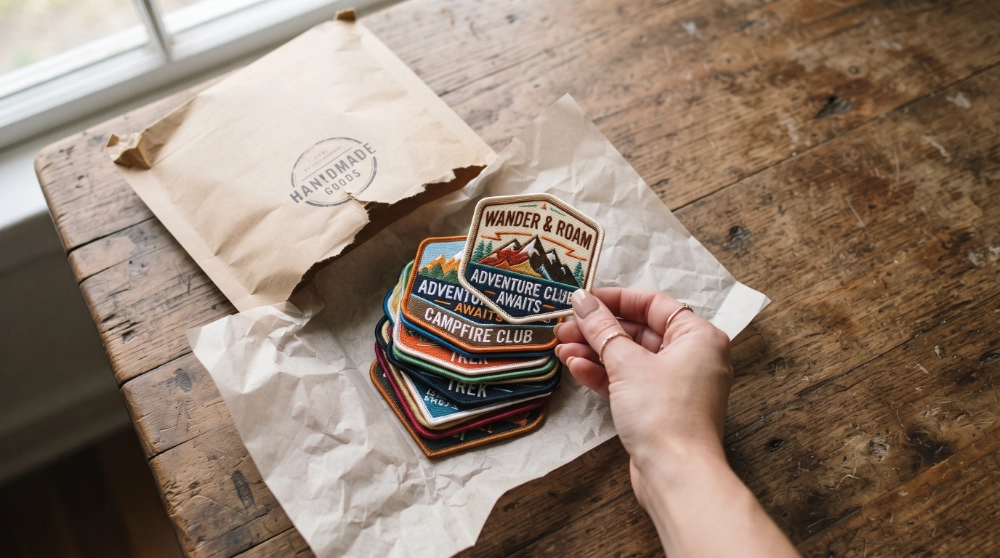
Once you know your theme and preferred type, the next question is where to actually find patches you can trust and this is where most beginners waste money. Cheap marketplace listings and unknown sellers are a gamble: no way to check stitch quality, no consistency between what’s pictured and what shows up, and often no real backing option to choose from.
The safer route is going straight to a manufacturer who makes the patches themselves rather than resells them that way you know exactly what you’re getting before you buy, every time.
Patches Studio is built for exactly this. Whether you’re picking up your first patch or commissioning a completely original design for your collection, you get:
- Premium materials across every type: Embroidered, PVC, woven, chenille, leather, and Velcro – so you’re never stuck compromising on the type your theme calls for
- No minimum order: Perfect for collectors who want one exceptional piece rather than a bulk lot
- Free design support: If you want to commission a one-of-a-kind patch for your collection, their team helps turn a rough idea into production ready artwork
- Fast US shipping and transparent quotes: No guessing on cost or turnaround before you commit
Ready to add to your collection? Get a free quote from Patches Studio and see real stitch and backing detail before you order – or reach out to their team if you’re designing a custom patch from scratch.
A general rule as a beginner: buy your first several patches from a source with visible reviews, clear photos (including the back of the patch, not just the front), and a real quality guarantee. It’s much easier to build good instincts once you’ve seen a few solid patches in hand – which is exactly why starting with a trusted maker like Patches Studio pays off early.
How to Spot High-Quality Custom Patches
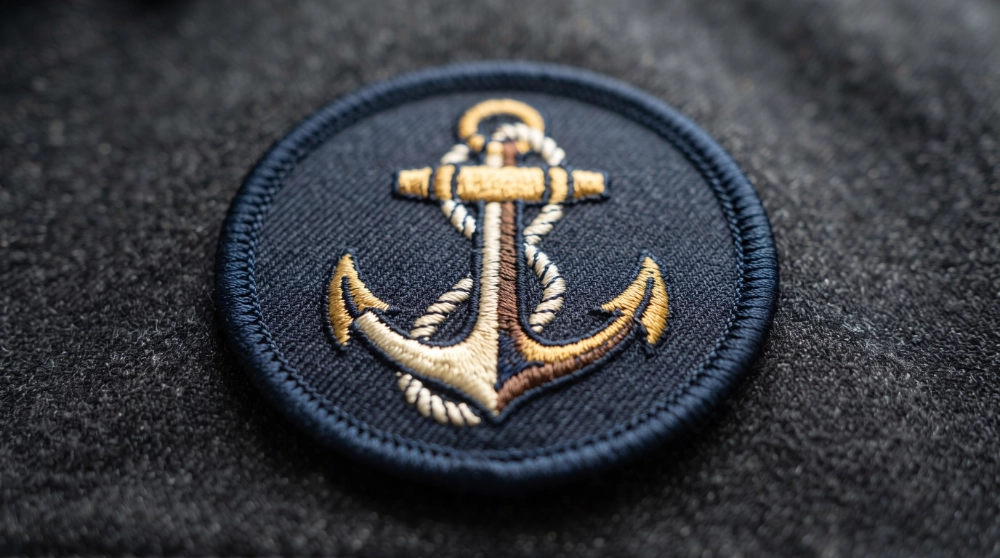
This is where a lot of beginners get burned a patch that looks great in a listing photo can turn out to be poorly made once it arrives. A few concrete things to check:
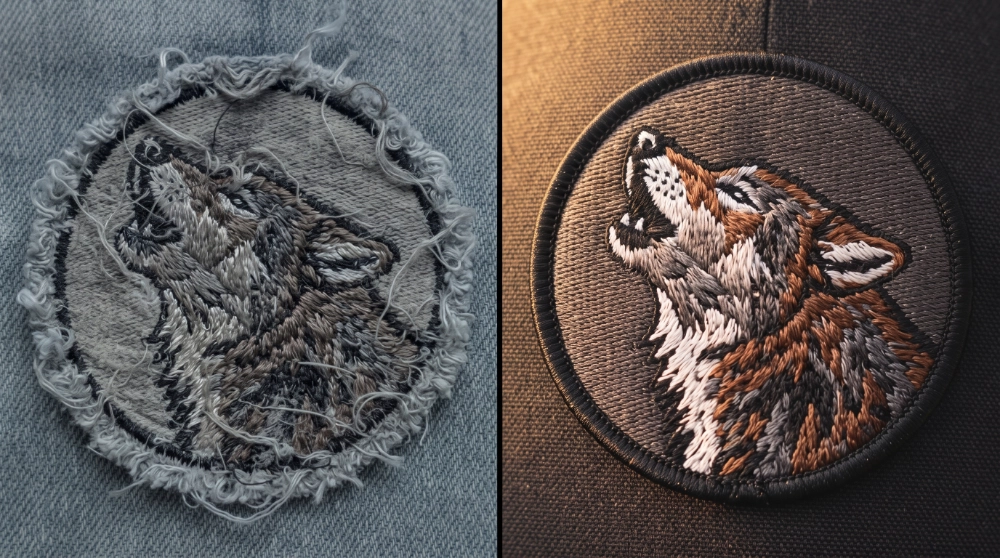
- Stitch density. Embroidery that’s too sparse looks thin and frays easily; embroidery that’s packed too tight can pucker or feel stiff. Well-made patches sit in between – dense enough to look solid, flexible enough not to warp the fabric.
- Border/edge quality. Most quality patches use a merrowed edge – an overlocked stitch wrapped around the perimeter that resists fraying and gives a clean, slightly raised border. It works best on simple shapes (circles, ovals, squares). For irregular shapes, a clean hot-cut (heat-sealed) edge is the right alternative – the concern there is just making sure the edge is fully sealed, not fraying at the corners.
- Backing type and finish. Run a finger across the back if you can (or ask the seller for a photo). A smooth, even layer signals a properly applied heat-seal or sew-on backing; a lumpy or uneven back often means the patch won’t lie flat or adhere evenly.
- Thread and color quality. Look for consistent, vibrant color without visible bleeding or dull patches, which usually signals better thread and dye quality that will hold up to washing and sun exposure.
- Backing options match your use case. Iron-on is convenient but less durable long-term; sew-on lasts through heavy wear and washing; Velcro is ideal if you want to swap patches between garments. Knowing which backing you actually need avoids a mismatch later.
If a seller only shows glamour shots of the front and won’t share a close-up of the back or edges on request, treat that as a caution flag rather than a dealbreaker just ask before buying.
Not sure what “good” actually looks like yet? Browse Patches Studio’s patch catalog every listing shows the stitch detail, backing, and edge finish up close, so you can train your eye before you buy anywhere else.
How to Store and Display Your Patch Collection
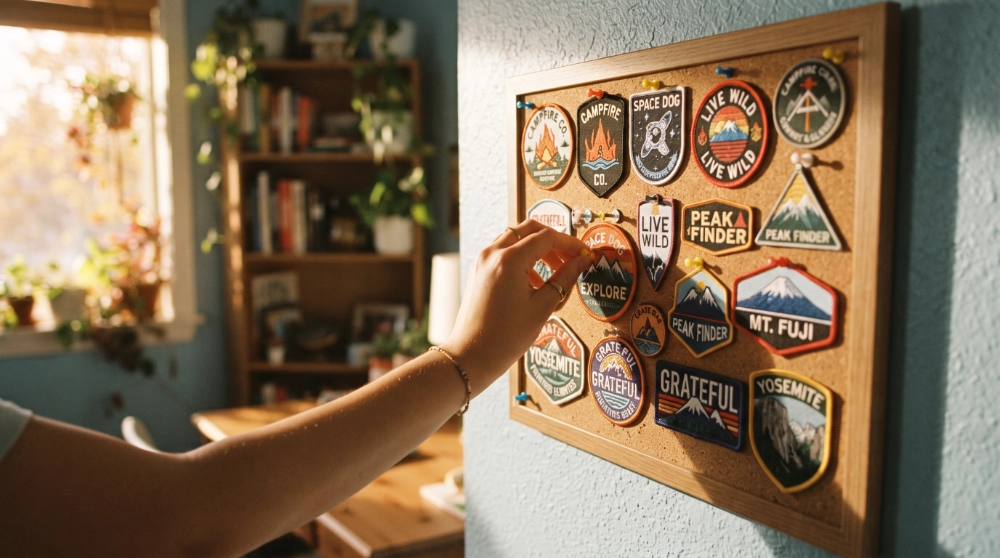
Storage and display often get treated as two separate ideas, but they really come down to one question: is this patch something you want protected, or something you want seen? Rare or sentimental pieces usually deserve protection first; everyday patches are often better off on display where you’ll actually enjoy them.
For protection (long-term storage):
- Patch binders or sleeve books – the standard for organizing a growing collection by theme or type
- Storage boxes with acid-free lining, especially for older or vintage patches
- Shadow boxes for particularly rare or fragile pieces
- Keep everything in a cool, dry place out of direct sunlight, since UV exposure fades thread color over time
For everyday display:
- Cork boards or pin boards: Flexible and easy to rearrange as your collection grows
- Denim or canvas jackets: A classic way to wear your collection rather than just store it
- Backpacks and bags: Great for smaller, less delicate patches
- Framed wall displays or fabric banners: Good for a themed set you want as a centerpiece
A simple care routine goes a long way regardless of how you display: keep patches away from moisture, avoid handling them with dirty or oily hands, and clean gently with a soft brush rather than scrubbing.
Common Mistakes Beginners Should Avoid
- Buying without a theme. It’s the fastest way to end up with a random pile instead of a collection you’re proud of.
- Ignoring backing type. Buying a beautiful Velcro patch when you actually needed sew-on (or vice versa) is a common and avoidable frustration.
- Skipping quality checks. A patch that looks perfect in a photo can still have weak stitching or a bad backing – check reviews and ask questions before buying, especially for higher-priced pieces.
- Poor storage conditions. Sunlight, humidity, and dust do real damage over time, even to well-made patches.
- Not tracking what you own. A simple spreadsheet or list prevents accidental duplicate purchases as your collection grows.
- Overspending early. It’s tempting to buy everything that catches your eye in the first few weeks. Most experienced collectors recommend starting with a handful of quality pieces rather than a large low-quality haul.
- Skipping authenticity checks on rare pieces. For military, vintage, or limited-edition patches specifically, verify seller reputation and provenance before paying premium prices.
Growing Your Collection on a Budget
- Start small. A handful of well-chosen patches beats a bulk order of pieces you’re lukewarm on.
- Buy directly from a manufacturer. Going straight to the source – like Patches Studio – cuts out marketplace markup and gets you better quality per dollar than reselling platforms.
- Take advantage of no-minimum ordering. You don’t need to commit to a bulk lot to get a premium patch; order a single custom piece and expand from there.
- Watch for sales and seasonal offers from your trusted source rather than chasing discounts across a dozen unfamiliar sellers.
- Focus on your niche instead of trying to collect everything – depth in one theme is usually more satisfying (and more affordable) than breadth across many.
Should You Create Your Own Custom Patches?
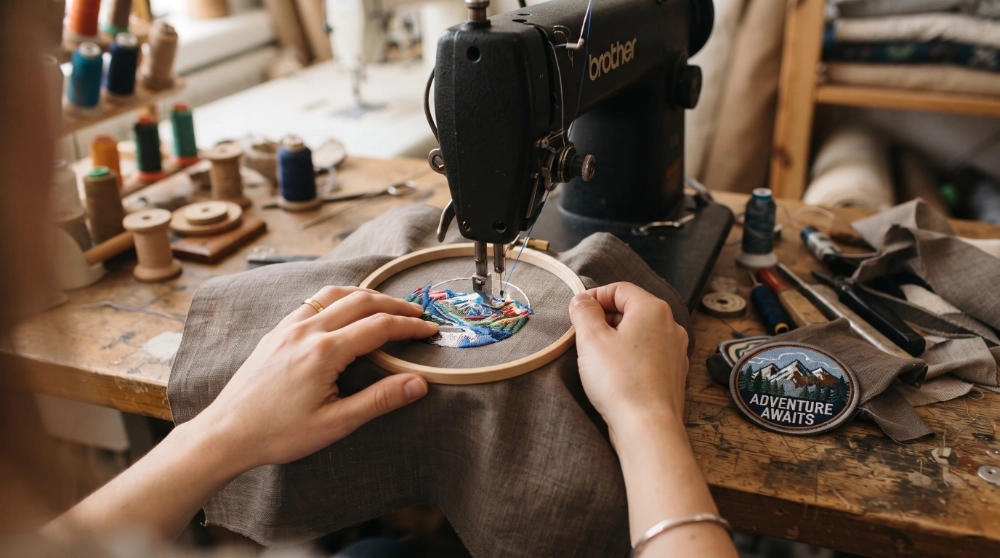
Once you’ve been collecting for a while, a lot of people naturally start wondering about designing their own. It’s worth considering – a custom patch you designed yourself, whether it’s a personal logo, an inside joke with friends, or a one-off commemorating a trip or event, tends to become one of the most meaningful pieces in a collection precisely because nobody else has it.
This is also where hobbyist collecting and small-business branding start to overlap. Teams, event organizers, and small brands increasingly use custom patches the same way collectors do – as a wearable, tradable way to build identity and community. If you ever get to that point, working with a patch manufacturer that can guide you through material choice, backing type, and edge finishing makes the process a lot smoother than guessing.
Patches Studio specializes in exactly this – free design support, no minimum order quantity, and a full range of materials (embroidered, PVC, woven, chenille, leather, Velcro) so your one-off design gets made right the first time. Submit your artwork and their team will recommend the best patch type and backing for what you have in mind.
How do I start collecting patches?
Pick a theme you genuinely care about, learn the basic patch types, and buy a small first batch (3–5 patches) from a source you trust, like Patches Studio. Store them properly from day one so you’re not retroactively fixing damage later.
What types of patches are most collectible?
It varies by community, but embroidered and woven patches tend to be the most widely collected due to their detail and durability, while vintage military patches and limited-edition drops often carry the highest collector value.
Are embroidered patches worth collecting?
Yes – embroidered patches are durable, widely available, and cover everything from classic uniform designs to modern streetwear collabs, making them a solid entry point for new collectors.
How should I store custom patches?
Use a binder, storage box, or shadow box for pieces you want to protect long-term, and keep everything away from direct sunlight and humidity, which fade color and degrade thread over time.
Where can I buy authentic custom patches?
Use a binder, storage box, or shadow box for pieces you want to protect long-term, and keep everything away from direct sunlight and humidity, which fade color and degrade thread over time.
Can custom patches increase in value over time?
Yes, custom patches can increase in value over time, especially if they are rare,
Start Building Your Custom Patch Collection Today
Every great collection begins with a single patch. By choosing a theme, learning to recognize quality craftsmanship, and storing your patches properly, you can build a collection that reflects your interests and lasts for years.
If you’re ready to add your first patch;or create a design that’s completely your own; Patches Studio is here to help. We specialize in premium embroidered, PVC, woven, chenille, leather, and Velcro patches, crafted with high-quality materials and attention to detail. Whether you’re a first-time collector, a hobbyist, or a business looking for custom patches, we offer free design support, no minimum order requirements, and fast, reliable service.