

What is a Chenille Patch?
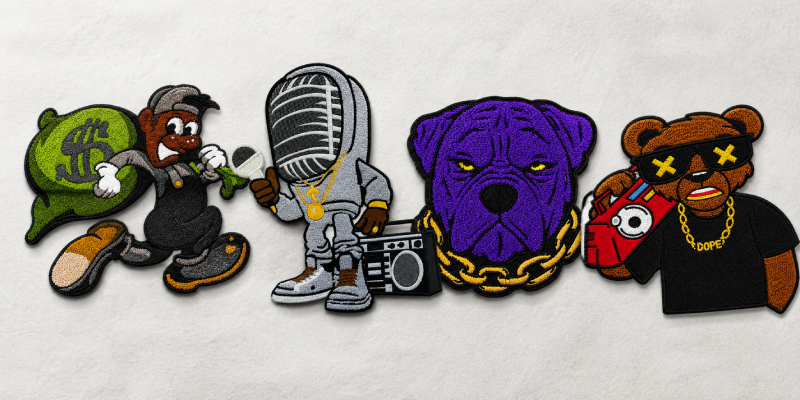
Chenille patches are incredibly popular and simple to see on outfits for school, sports, and fashion. A long time ago, these patches were common in American schools, especially on varsity jackets. They are known for being soft and fuzzy and having a bold, raised look. You might have seen a chenille patch on the jacket of a high school or college athlete who was proud of it.
In this in-depth guide, we’ll talk about what chenille patches are, how they’re made, where they’re used, and why they are still a popular choice for fashion and branding today, especially in the US market.
What does “chenille” mean?
The word “chenille” comes from the French word for “caterpillar.” This word does an impressive job of describing the patch’s fuzzy, textured surface. Chenille patches are not the same as flat embroidered patches. They are made with a looped yarn technique that makes them feel soft and like carpet. From a distance, their texture makes them look bold and three-dimensional, which makes them stand out.
The Story Behind Chenille Patches
Chenille patches have been around in the US since the early 1900s. They became very popular in high schools and colleges as part of varsity traditions. Schools awarded students who excelled in sports or academics with Letterman jackets adorned with large chenille letters. These letters were symbols of pride, achievement, and belonging.
Over time, these patches became more than just school supplies and started to show up in streetwear, fashion brands, and even corporate merchandise.
How to Make Chenille Patches
Chenille patches are made using a special embroidery method that is very different from regular stitching, which involves creating a raised, textured surface by using looped yarns that are cut to create a soft, fuzzy effect.
Step-by-Step Process:
Design Creation
The artwork is digitized, with thick yarn making it difficult to see fine details and bold shapes.
Felt Base Preparation
A felt fabric is used as the base, which makes it strong and gives it a classic look.
Loop Stitching Technique
Yarn is stitched in loops across the surface to give it its fuzzy texture.
Chain Stitch Border
A thick embroidered border is added to define the edges and make it stronger.
Backing Application
Depending on how it will be used, the backing can be ironed on, sewn on, or glued on.
Why Chenille Patches Are So Popular

There are a number of reasons why chenille patches are still the most popular choice for both traditional and modern uses:
Strong Visual Appeal
They stand out because of their rough texture and bright colors.
High-Quality Feel
The soft, plush surface makes it look and feel high-end and luxurious.
Long-lasting
Chenille patches can last for years without losing their shape or texture if they are made correctly.
Value of Nostalgia
They have a strong sense of tradition, especially in American schools.
Chenille patches are often used for
Jackets for Lettermen
The most famous use is on varsity jackets. Chenille is often used to make big initials and achievement patches.
- High schools and colleges that want to keep tradition while adding a personal touch love custom chenille patches for letterman jackets.
- In the US, the classic chenille letterman jacket is still a sign of pride and success.
Streetwear and Fashion
Modern brands use chenille patches to give hoodies, denim jackets, and caps a retro look.
Teams in sports
Teams utilize chenille patches to create logos, mascots, and designs that commemorate special events.
Groups and Clubs
Fraternities, academic clubs, and social groups use them to show who they are and what they’ve done.
Chenille Patches vs. Embroidered Patches
Chenille patches are soft and fuzzy, while embroidered patches are flat and detailed. Chenille patches are best for bold designs and letters, while embroidered patches are best for intricate artwork. Chenille patches feel plush and premium, while embroidered patches feel smooth and classic.
If your design needs a lot of detail, embroidery might be better. Chenille is the best choice for bold letters and eye-catching images.
Options for Personalization
There are many ways to personalize chenille patches:
- Color Options: You can use any color of yarn and feel together.
- Patch Sizes: from small logos to large patches for the back of a jacket.
- Backing Types: Iron-on, sew-on, adhesive, or Velcro
- Borders: Chain stitch, merrowed, or laser-cut edges
You can even combine chenille with embroidery for hybrid patches that offer both texture and detail.
Modern Uses: Velcro and Useful Things
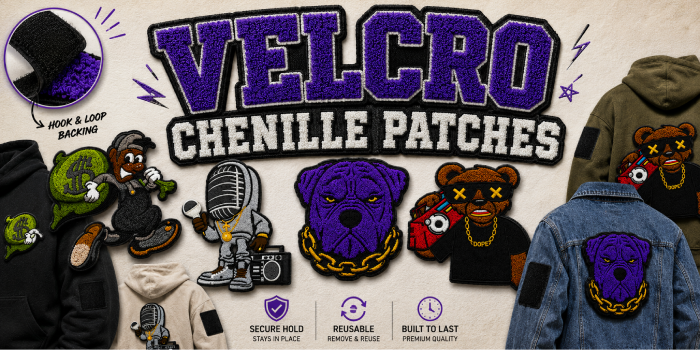
Chenille patches have traditionally been sewn onto clothes, but modern uses have made them more flexible.
Some brands now include custom patches velcro in their designs, which makes it easy for users to take off or change patches. This feature is especially helpful for:
- Clothes that look like military gear
- Gear for tactical use
- Fashion items that can be changed
Custom Velcro patches are also becoming more popular in streetwear, where being able to mix and match and make things your own are big selling points.
How to Make the Best Chenille Patch
To get the best results, remember these design tips:
- Use big letters and shapes that stand out.
- Stay away from small text or fine details
- Pick colors that stand out from each other.
- Make the design simple but powerful.
When making custom chenille letterman patches, use strong initials, mascots, or symbols that clearly show who you are.
Advantages for US Clothing Brands
Chenille patches are very useful for USA clothing brands that want to appeal to young people and people who are nostalgic.
Main Benefits:
- Make your brand stand out more
- Make high-end product lines
- Make a case to schools and sports groups
- Let customers introduce changes to their orders.
Chenille patches can make products more appealing and valuable, whether they are new or established brands.
How to Take Care of Chenille Patches
To keep their appearance and last longer:
- When you can, don’t wash with a machine.
- Gently wash your hands with cold water.
- Only dry in the air
- Don’t iron right on the patch.
With the right care, the patch will stay bright and whole for years.
FAQS
What do you use a chenille patch for?
People often use chenille patches for letterman jackets, clothes, sports uniforms, and branding.
Do chenille patches last a long time?
Yes, they last a long time when sewn and cared for properly.
Can you change the look of chenille patches?
Yes, of course. You can adjust the size, color, background, and design to suit your needs.
Are chenille patches good for making detailed designs?
No, not really. They work best for designs that are simple and bold, not ones with a lot of small details.
Can I use Velcro on chenille patches?
Yes, modern chenille patches can have Velcro on the back,making them easy to remove and reapply.
Are chenille patches expensive?
They might cost a little more than embroidered patches because of the materials and how they are made, but they look better, and their unique texture and design can make clothes or accessories look better overall.
How long does it take to make patches with your design?
Depending on how complicated and how many there are, production usually takes 1–2 weeks.
Do people in the US like chenille patches?
Yes, especially in schools, colleges, and fashion brands that are based on varsity culture.
Can you iron on chenille patches?
Some have iron-on backing, but sewing is better for long-lasting strength, especially in environments like schools and colleges where patches may experience more wear and tear.
What sets chenille patches apart from other kinds?
They are bright and fuzzy, which makes them different from other types of patches.
Conclusion
Chenille patches are more than just pretty things; they stand for style, identity, and success. They started out in American schools, but now they are used in fashion and branding. They keep changing, but they still look great.
Chenille patches are a classic and high-quality way to add style to clothes, whether you’re making clothes for a brand or a custom varsity jacket.