


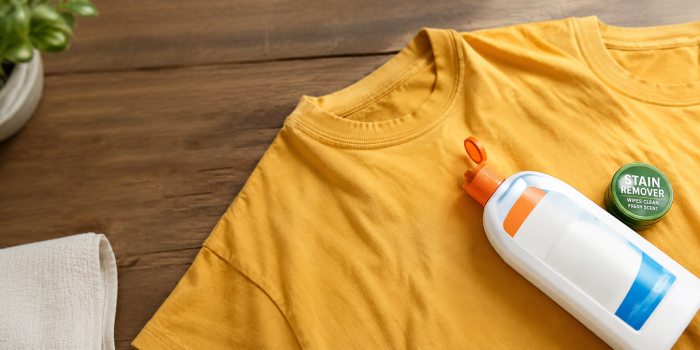
How to Remove Patches from Clothes Without Damage
Patches are a fun way to make jackets, iron- ons, uniforms, and bags your own, but there may come a time when you want to take them off. If you want to change your style, correct a mistake, or use clothes for something else, you need to know how to take patches off without damaging them.
Schools, sports teams, and working individuals in the US frequently utilize custom patches and branded clothing.This means that patch removal is a common need. The positive news is that you can safely remove patches from your fabric without damaging it if you use the right methods.
This guide tells you what tools you need, how to take off different kinds of patches without hurting the fabric, and step-by-step instructions for doing so.
Identifying Patch Types Before Removal
You need to know how the patch was put on before you can take it off. You need to use different methods to remove things that are attached in different ways:
- Heat-activated (iron-on) patches
- Sewn-on patches (attached with thread)
- Velcro patches a detachable hook-and-loop system
- Adhesive patches (glued directly onto fabric)
Different types act differently, so using the wrong method could ruin your clothes, such as causing damage to the fabric or leaving a sticky residue that is difficult to remove.
How to Remove Iron-On Patches from Clothes
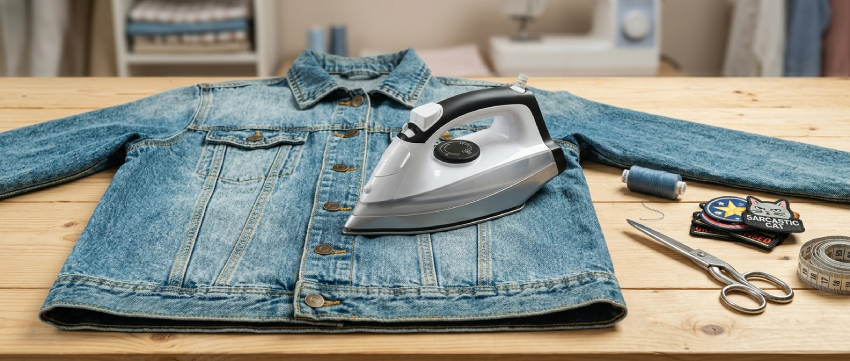
Iron-on patches are very popular in the US because they are so easy to use. But you also have to be careful when you take them off.
Warm up the patch area.
To make the glue less strong, use a hair dryer or iron.
- Set the iron to medium heat (no steam).
- Put a cloth over the patch.
- Put heat on for 20 to 30 seconds.
Slowly peel
After the glue has softened:
- Start peeling from one side
- Gently and slowly pull
- If resistance goes up, heat it up again.
Get Rid of Extra Glue
After taking off:
- Use rubbing alcohol or a glue remover.
- Wash the fabric like you normally would.
This method works best on denim and cotton fabrics.
How to Take Off Sew-On Patches
Sew-on patches are strong and often used on uniforms, especially in the US.
Turn the clothes inside out.
This makes the stitching easier to see.
Get a Seam Ripper
- Put the seam ripper under the stitches.
- Be careful when you cut threads one at a time.
- Don’t pull too firmly, or the fabric will rip.
Remove Thread Residue
- Pull off loose threads by hand
- If you need to, lightly iron the area.
This is the safest way to do it for delicate fabrics.
How to Take Off Velcro Patches
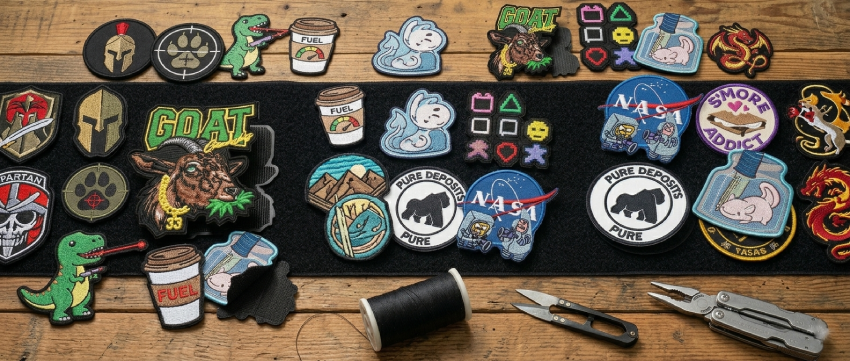
Velcro patches are made to come off, which makes them simple to use.
Just detach
- Separate the hook and loop sides.
- No tools needed
Take off any permanent stitching that is there.
Some Velcro patches are sewn on:
- Use a seam ripper to take out stitches.
- Carefully pull apart the Velcro base.
Common in the US military and tactical gear.
How to Remove Adhesive/Glue-On Patches
Adhesive patches are difficult to use because they stick right to fabric.
Use steam or heat.
- Use a hair dryer or a steam iron.
- Heat makes glue less strong.
Carefully peel
- Lift the edges of the patch slowly.
- Do not pull quickly
Use a solvent.
- Use rubbing alcohol or a glue remover.
- Gently rub the glue that is still there.
Always try the solvent on a small, hidden area first.
The Best Tools for Taking Off Patches
Keep these tools on hand to safely take off patches:
- Seam Ripper
- Iron or blow dryer
- Tweezers
- Rubbing Alcohol
- Glue Remover
- Soft Cloth
Using the right tools reduces the risk of damaging the fabric.
How to Keep Your Fabric Safe
If you take off patches the wrong way, you might end up with holes, stains, or stretched fabric. Do these things:
- Always test heat on a small area first.
- Never pull patches forcefully.
- Take your time and work slowly.
- Don’t use high heat on synthetic fabrics.
- After taking it off, wash the fabric.
Extra care is needed for delicate fabrics like polyester.
Things to Stay Away From
Many people in the US hurt their clothes when they take off patches because of the following:
- Overheating
- Pulling patches off too quickly
- Not paying attention to adhesive residue
- Using sharp tools in a rough way
- Not testing the fabric
If you don’t make these mistakes, the removal will go smoothly.
When a Patch Shouldn’t Be Removed
Sometimes it’s not worth the risk to take things out:
- If the patch is permanently attached to the fabric
- If clothes are very old or weak
- If the stitching is too thick or fancy
- If the fabric is already torn
It would be better to cover the patch with a new design in these cases.
Conclusion
If you know how to remove patches correctly, you can do so without damaging the fabric. Whether using iron-on patches for jeans, sew-on, Velcro, or adhesive patches, you should take your time and be cautious.
In the US, where custom clothing is very popular, knowing how to take off patches the right way can help you fix, reuse, or redesign your clothes without ruining them.
Remember that the most important thing for safe patch removal is to use a slow, gentle, and correct method.
FAQS
What is the simplest way to take off iron-on patches?
The easiest way to do it is to use an iron or hairdryer to heat the patch and then slowly peel it off.
Do sew-on patches hurt clothes when they are taken off?
They might leave small holes, but using a seam ripper carefully will limit the damage.
Do Velcro patches leave marks?
No, Velcro patches are made to come off easily and usually don’t leave any damage.
After taking off a patch, how do I get rid of the sticky residue?
Gently clean the area with rubbing alcohol or adhesive remover.
Is it safe to take off all the patches?
Most patches can be removed, but some old or heavily bonded ones may damage the fabric.