

Best Patches for Clothing Brands
Branding is everything in the fashion industry these days. Clothing brands are no longer just about the fabric and the stitching.They also reflect your identity, narrate stories, and capture attention. Patches are one of the most powerful but least known ways to brand something. Choosing the right patch style can help your products stand out and leave a lasting impression, no matter what kind of brand you want to start, from streetwear to high-end fashion to niche outdoor brands.
This guide goes over the best patches for clothing brands, explaining which ones work best, what their benefits are, and how to use them wisely for the best results in the USA.
Why Patches Are Important for Clothing Brands
Patches are more than just decorations; they are brand assets. They give clothes texture, depth, and a distinctive look while also reinforcing your logo and identity.
Here’s why patches are so important:
- Brand Recognition: A well-made patch makes your logo stand out right away.
- Durability: Patches last longer and don’t wear out as easily as printed designs.
- Premium Appeal: Patches that are high-quality make people think they are worth more.
- Flexibility: They can be used on jackets, hoodies, jeans, caps, and even patches for backpacks, which makes them very useful.
Patches are a cheap way for new brands to stand out without having to spend a lot of money on complicated manufacturing.
Different kinds of patches for clothing brands
Embroidered Patches
The most common and traditional choice is embroidered patches. They are made by sewing threads onto a piece of fabric, which gives them a textured and high-end look.
Best For:
- Brands of streetwear
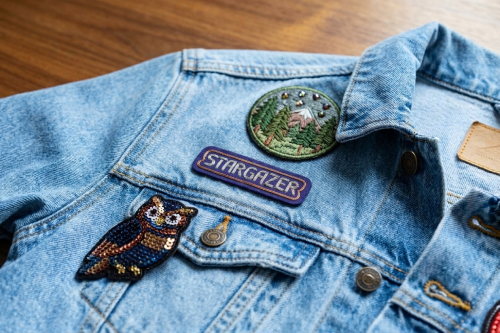
- custom patch jacket made of denim
- Collections that are inspired by the past
Benefits:
- A look that is both classic and high-end
- Strong and long-lasting
- Good for logos that are big and bold
Limitations:
- Not good for designs with a lot of detail or that are very small
Patches that are woven
Thinner threads are used in woven patches, which allows for more complex designs and finer details.
Best For:
- Brands that are simple
- Logos or fonts with a lot of detail
- Clothes that are light
Benefits:
- Clarity of high detail
- Finish that is smooth
- Look of professional branding
Limitations:
- Not as textured as embroidery
Patches made of PVC (rubber)
PVC patches are made of soft rubber and look like they are three-dimensional.
Best For:
- Brands for the outdoors
- Tactical equipment
- Clothes for sports
Benefits:
- Waterproof and able to handle bad weather
- Strong 3D effect
- Highly durable
Limitations:
- Slightly higher cost than fabric patches
Chenille Patches
Chenille patches are soft and fuzzy, and they are often used on varsity jackets.
Best For:
- Fashion brands from the past
- Clothes like those worn in college
- Pieces that make a statement
Benefits:
- Unique texture
- Looks that catch the eye
- A high-end feel
Limitations:
- Not good for small details
Patches of leather
Leather patches give clothes a rustic and high-end look. They are often used on denim and high-end clothing.
Best For:
- High-end brands
- Collections of denim
- Simple logos
Benefits:
- Stylish and classic
- Long-lasting
- Increases the prestige of the brand
Limitations:
- Few color choices
Printed Patches
Printed patches can have designs that look like photos and come in any color you want.
Best For:
- Complex or abstract artwork”—Gradient patterns
- Fashion brands that are creative
Benefits:
- A lot of detail and color accuracy
- Affordable for complicated designs
Limitations:
- Not as much texture as embroidered patches
Picking the Best Patch for Your Brand
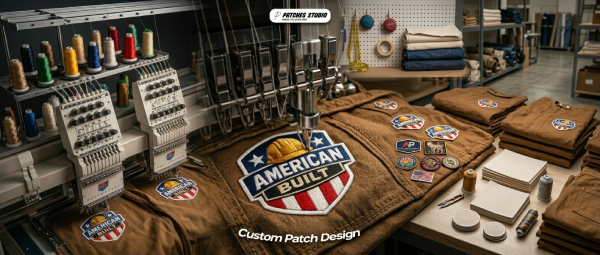
Choosing the best patch depends on your brand, your target market, and the type of product you sell.
Think about these things:
Style of the Brand
- Streetwear: embroidered or chenille
- Luxury: leather or woven
- Outdoor: PVC
Type of Product
- Hats can be made of leather or woven material.
- Jackets can be made of embroidery or chenille.
- Bags can be made of PVC or embroidered.
Design Complexity
- Easy logos :Embroidered
- Detailed artwork: Woven or printed
How to Use Patches
The way you put on patches is just as important as the patches themselves.
Iron-on patches
- Simple to use
- Good for making a lot of things
Sew On Patches
- The most durable choice
- Preferred for high-end clothes
Custom velcro patches
- You can take it off and use it again.
- Perfect for tactical and utility clothes
For flexibility, many brands also use custom Velcro patches, especially in collections of streetwear and outdoor gear.
Patches vs. Other Branding Elements
Patches are strong, but they work best when used with other branding tools like custom clothing tags, labels, and prints.
Patches vs. Printed Logos:
- Patches are high-end and long-lasting.
- Prints are cheap and light.
Patches vs. Embroidery Directly on Fabric:
- Patches are flexible and can be replaced.
- Direct embroidery means that it will last forever.
How Patches Enhance Product Value
Adding patches to your clothing line can significantly increase perceived value.
For example:
- A plain hoodie might sell for $20.
- The same hoodie with a premium patch can sell for $40+
Patches also create a sense of exclusivity, especially when used in limited editions or seasonal drops.
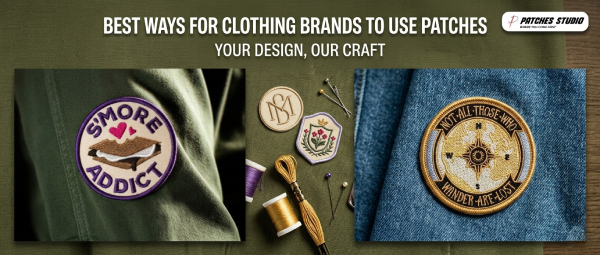
Best Ways for Clothing Brands to Use
Collections of streetwear
Patches make things more unique and real, especially on hoodies and a jacket with a custom patch.
Tactical and outdoor gear
Patches made of PVC are strong enough to last in tough conditions.
Things that go with it
Patches can be used on more than just clothes, like on caps and backpacks.
Drops of Limited Edition
Custom patches velcro can make collections feel like they are exclusive and worth collecting.
Tips for Designing High-Impact Patches
- Make your logo simple and strong.
- Choose colors with strong contrast”—cleaner or more professional
- Pick the right size so you can see it.
- Match the style of the patch to the fabric of the garment.
- Before making a lot of them, test their durability.
Things to Avoid Making Mistakes
- Avoid choosing an inappropriate type of patch for your design.
- Making the art too complicated
- Not paying attention to where things go on clothes
- Using materials that aren’t very good
- Not making patches fit with the brand’s image
Trends in Patch Design for the Future
The fashion industry is changing, and so are patches.
New things that are popular:
- Three-dimensional layered patches
- Designs that glow in the dark
- Materials that last
- QR codes and NFC are examples of interactive patches.
Companies that embrace these trends early can gain a competitive edge.
FAQS
What are the best patches for brands of clothes?
The best patches for you depend on your brand style. Embroidered patches are excellent for traditional designs, while woven and PVC patches are better for modern or detailed looks.
Are patches better than logos that are printed?
Patches look better and last longer, but printed logos are cheaper to make in large quantities.
What’s the longest-lasting type of patch?
The most durable and long-lasting choices are PVC and embroidered patches.
Is it possible to take off or change patches?
Yes, especially hook-and-loop options like custom Velcro patches, which are made to be easy to take off.
Do patches work on all kinds of clothes?
Patches can be put on jackets, hoodies, jeans, hats, and other things.
How do I pick the right size for my patch?
Choose a size that makes the design clear and easy to see without making the garment too big.
Is it costly to make patches?
Costs depend on the type, size, and amount of material, but they are usually cheap when bought in bulk.
Can patches help make a brand worth more?
Yes, high-quality patches can really make people think the value is higher and make them more interested in buying.
What are the differences between woven and embroidered patches?
Woven patches have more detail, while embroidered patches have a classic look with a texture.
Are custom patches good for new businesses?
Absolutely. They are a cheap way to make your brand stand out in the market and build brand identity, especially when used creatively on products or promotional items that resonate with your target audience.
Conclusion
Patches are one of the best ways for clothing brands to build their identity brand, make their products more valuable, and stand out in a crowded market. Each type of patch has its pros and cons, from classic embroidered ones to modern PVC ones.
The most important thing is to choose a patch that fits with your brand vision, product type, and target audience. When done right, patches don’t just add to your clothes; they change them.
The Perfect Patches for Your Clothing Brand
The right patch turns a good garment into an iconic one. Our custom patches are crafted with premium materials, sharp detail and lasting durability, giving your clothing brand the edge it deserves. From bold embroidered designs to sleek PVC finishes, we make ordering simple, fast and affordable.